
International or Expat Students in Nigeria: Currency Tips
How foreign and international undergraduates studying in Nigerian universities can navigate currency exchange, banking restrictions, and local budgeting.

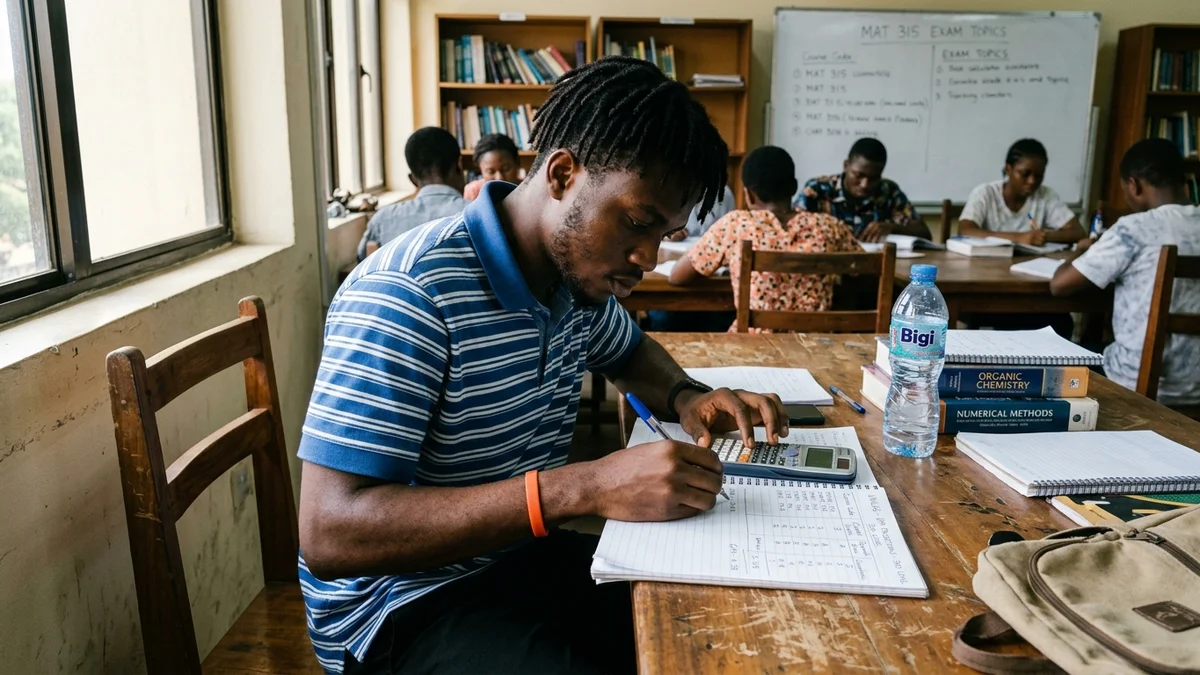
International or Expat Students in Nigeria: Currency Tips
You arrive in Nigeria from Ghana, Cameroon, Benin Republic, Kenya, or the diaspora to pursue higher education.
You enroll in an institution like the University of Ibadan, UNILAG, Covenant University, or UNN.
Everything feels vibrant, intense, and completely unfamiliar:
- The local currency, the **Naira (₦)**, fluctuates rapidly against the US Dollar, British Pound, or West African CFA franc.
- Local POS operators give you puzzled looks when you present an international Visa or Mastercard debit card.
- When campus vendors and taxi drivers hear your foreign accent, their prices instantly double: *"Ah, foreign student! My friend, pay ₦5,000!"*
Studying abroad in Nigeria offers rich academic cultural immersion, but navigating the local financial ecosystem requires strategic adaptation.
Here is the authoritative financial and currency survival guide for International and Expat Students in Nigerian Tertiary Institutions.
1. The Banking & Legal Identification Protocol
The primary roadblock facing international students is opening a local Nigerian bank account:
### International Student Banking Clearance
>
* Document 1: Valid International Passport with Nigerian Student Visa (CERPAC)
* Document 2: Official University Admission Letter & Student Matriculation ID
* Document 3: Non-Resident BVN Registration at any commercial bank branch
* Document 4: Two Passport Photographs and Proof of Campus Residence Address
- **The Non-Resident BVN:** Under Central Bank of Nigeria (CBN) guidelines, foreign students are entitled to obtain a Bank Verification Number (BVN) using their international passport and student visa.
- **Fintech Flexibility:** Once your BVN is linked, opening accounts on digital fintech platforms (such as Kuda or OPay) allows frictionless local transfers, electricity bill payments, and QR code merchant payments across campus.
Review monthly budget structures in monthly student budget plan: ₦30,000 living survival.
2. Currency Conversion: Avoiding the Street "Oga Markup"
Never exchange foreign currency (USD, EUR, GBP, CFA) with informal roadside touts outside campus gates:
| Conversion Method | Security Level | Exchange Rate Quality | Risk Factor |
|---|---|---|---|
| Licensed Bureau De Change (BDC) | High | Official Parallel Market Rate | Requires physical passport inspection |
| Regulated Fintech P2P (Binance, Lemonade)| High | Competitive Market Equilibrium | Requires basic crypto/digital wallet literacy |
| Campus Street Forex Touts | Extremely Low | Poor (15-20% below real market) | High risk of counterfeit Naira notes |
Learn how to resolve failed digital payment debits in recovering from failed POS debit transactions on campus: bank escalation.
3. The "Local Wingman" Defense Against Expat Pricing
Campus vendors routinely apply an informal "Foreigner Surcharge" when they detect a foreign accent:
- **Never Shop Alone at Open Wholesale Markets:** When buying fruits, tubers, or lodge appliances, always shop alongside a trusted Nigerian coursemate. Let them initiate price inquiries and negotiate in local vernacular while you observe quietly.
- **Master Essential Transaction Phrases:** Learning basic greetings in the local language of your university town immediately breaks down interpersonal barriers and signals market awareness:
- **South-West (Yoruba):** *"Bawo ni?"* (How are you?), *"E lo ni?"* (How much is it?), *"E dinku"* (Please reduce the price).
- **South-East (Igbo):** *"Kedu?"* (How are you?), *"Ego ole?"* (How much?), *"Biko belata"* (Please reduce).
- **North (Hausa):** *"Ina kwana?"* (Good morning?), *"Nawa ne?"* (How much?), *"Rage mana"* (Reduce the price).
Explore scholarship application models in scholarship applications for undergraduates in Nigeria: winning formats.
4. Empathy, Cultural Integration, and Academic Triumph
Studying in Nigeria provides an extraordinary masterclass in resilience, cultural dynamism, and resourcefulness:
- Embrace the warmth and energy of your coursemates.
- Manage your currency with disciplined foresight, establish secure local banking channels, and protect your budget.
- Your international journey will broaden your global perspective and forge lifelong cross-border networks that will enrich your professional career for decades to come.
Frequently Asked Questions
What challenges do international students from Ghana, Cameroon, or the UK face in Nigerian universities?
High Naira exchange rate volatility, difficulty opening local bank accounts without Nigerian NIN/BVN, unfamiliar campus living costs, and aggressive commercial overcharging by local merchants.
Can a foreign student open a Nigerian bank account without a National Identification Number (NIN)?
Yes. Central Bank of Nigeria (CBN) regulations allow foreign nationals with valid international passports, student study visas, and university admission letters to open Tier-2 or Tier-3 resident foreign national bank accounts.
What is the best way for international students to exchange foreign currency to Naira?
Use verified peer-to-peer (P2P) platforms or official Bureau De Change (BDC) operators with transparent market rates, rather than informal street touts near campus gates.
How can foreign students avoid getting overcharged by local campus vendors?
Shop alongside trusted Nigerian coursemates who know authentic local market prices, and learn basic conversational market phrases (like 'E lo ni?' in Yoruba or 'Ego ole?' in Igbo).
What Did You Like Most About This Guide?
Share your favorite takeaway, a study technique you tested, or ask a question.