
Off-Campus Students: Commuting 10km to Early Classes
How to survive commuting 10km daily to 8:00 AM lectures in Nigerian universities. Transport budgeting, shuttle queues, weather defense, and focus.

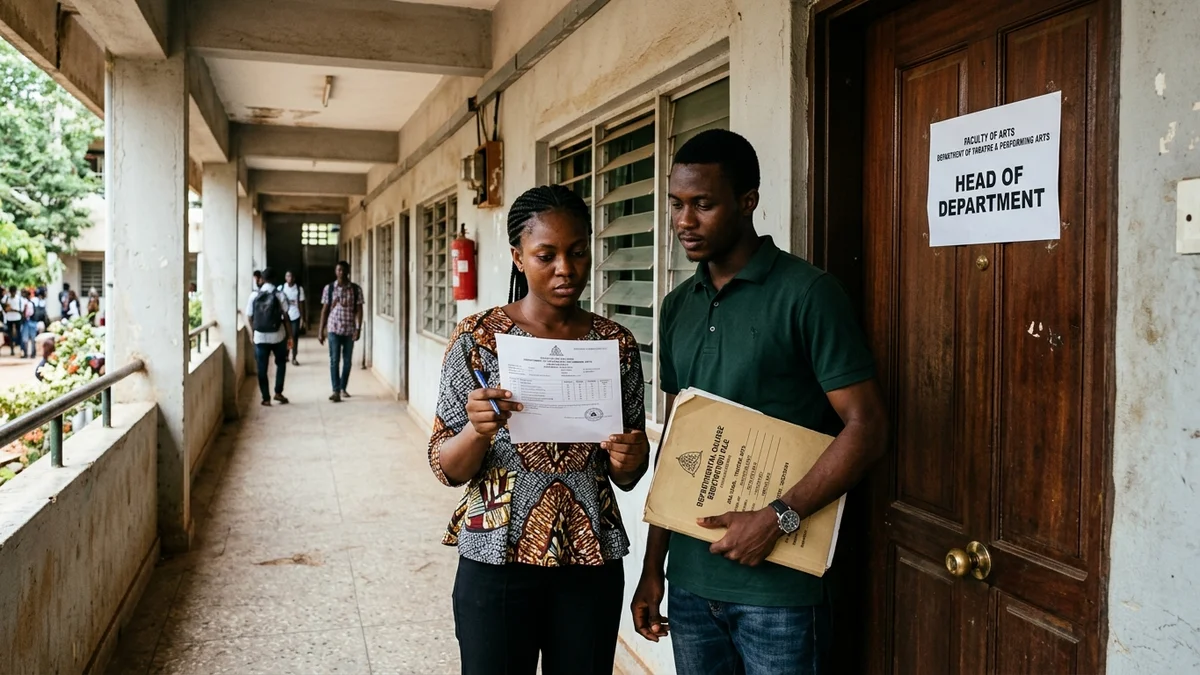
Off-Campus Students: Commuting 10km to Early Classes
It is 6:10 AM. Outside your off-campus lodge window, the street is pitch dark.
A light morning drizzle has turned the unpaved laterite road into slick red clay.
You have an 8:00 AM Continuous Assessment test in Engineering Mechanics at the Faculty Auditorium, exactly 11 kilometers away.
You step out to the roadside.
Four other students are already standing in the mud, waving desperately at passing commercial tricycles (Keke NAPEP) that are already packed with market traders.
By 6:45 AM, when you finally squeeze into a commercial bus, the traffic jam at the university main gate is backed up for two kilometers.
At 7:55 AM, you sprint through the faculty corridors, drenched in sweat, your backpack slamming against your ribs, and your heart pounding at 160 beats per minute.
You stumble into the exam hall just as the lecturer is distributing question scripts. Your hands are shaking. Your mind is blank.
This is the grueling daily ordeal of over 60% of Nigerian university undergraduates: the long-distance off-campus commuter trap.
When students cannot secure on-campus accommodation, they rent cheap rooms in distant satellite villages. But what they save on rent, they pay in brutal physical exhaustion, lost study hours, and missed 8:00 AM lectures.
Here is the operational blueprint to master the 10km daily campus commute without destroying your health or your CGPA.
1. The Real Cost of the "Cheap Distant Lodge"
Before analyzing transit tactics, calculate the true economic and biological balance sheet of long-distance commuting:
The 10km Commuter Reality Audit (Per Semester):
- Financial Transit Drain: ₦1,200/day x 80 days = ₦96,000 in transit fares — Time Liquidation: 2.5 hours/day in transit = 200 lost study hours per semester — Biological Stress: Cortisol spikes, exhaust fumes, heat exhaustion, physical fatigue — Academic Risk: Late arrival at 8:00 AM tests with zero time for mental warm-up
Compare the comprehensive financial trade-offs in our detailed analysis on walking distance lodge vs far cheap lodge cost comparison.
2. The 3 Golden Rules of Long-Distance Commuting
If living 10km away is unavoidable this session, execute these non-negotiable operational principles:
| TIER 1: The "7:15 AM Campus Arrival Window" |
| --- |
| - Never target an 8:00 AM arrival for an 8:00 AM class. |
| - Arrive on campus by 7:15 AM. Use the 45-minute buffer to |
| cool down, wash your face, review notes, and sit front. |
| TIER 2: The "Full-Day Self-Sufficient Backpack" |
| - You cannot go back to your room between lectures. |
| - Carry: 20,000mAh power bank, packed lunch, water bottle, |
| compact umbrella, and light jacket for freezing labs. |
| TIER 3: The "Campus Day Basecamp" |
| - Establish a dedicated home base between classes: |
| Departmental library carrel or quiet reading room. |
| - Never loiter aimlessly at canteens wasting hours. |
3. Turning Transit Dead-Time into High-Yield Revision
Spending 120 minutes every day inside noisy commercial buses and tricycles is dead time—unless you convert it into passive audio learning:
- **Audio Voice Notes:** Record yourself reading key summary definitions, formula sheets, or legal statutes into your phone voice recorder. Listen to these audio tracks during your morning bus ride with noise-canceling earphones.
- **Flashcard Speed Runs:** If sitting in a steady campus shuttle, flip through digital flashcard decks on your phone to prime your working memory.
Learn how to manage water rationing before morning departures in surviving hostel water scarcity 5 bucket survival, and master time-blocking frameworks designed for busy schedules in working student daily time management systems.
### 🚌 Commuter Network & Ridesharing
Tired of fighting for campus shuttle buses every morning?
>
Join our **Free Academic Comeback WhatsApp Community**. Connect with students commuting from your neighborhood, coordinate safe shared carpools or cab splits, and get real-time morning traffic updates.
>
👉 **[Join the Free Student Community on WhatsApp](https://chat.whatsapp.com/invite/academic-pack-community)**
Frequently Asked Questions
What time should an off-campus student leave home for an 8:00 AM lecture in Nigeria?
For a 10km commute, leave home by 6:15 AM or 6:30 AM at the latest. This builds a 45-minute buffer against traffic congestion, broken-down campus shuttles, and commercial bus terminal queues.
How can commuting students prevent mental exhaustion before morning classes begin?
Avoid scrolling stressful social media during transit. Use transit time to listen to recorded audio summaries of lecture topics or practice deep breathing, and hydrate with water upon arrival.
Is it cheaper to live far off-campus and pay daily transport fares, or pay higher rent near school?
In most university towns, paying ₦1,000–₦1,500 daily for bikes and buses amounts to ₦120,000–₦180,000 annually in transport, which often erases the rent savings of distant lodges while adding 400 hours of physical exhaustion.
What should you carry in your backpack for full-day campus survival?
Pack a charged 20,000mAh power bank, an umbrella, a refillable water bottle, a packed lunch, your laptop/notebooks, and a mini grooming kit (deodorant, mints, face wipes).
What Did You Like Most About This Guide?
Share your favorite takeaway, a study technique you tested, or ask a question.