
Gas Cylinder vs Electric Stove: Speed, Cost, & Safety
Cooking in Nigerian university hostels and student lodges. Gas cylinders vs electric hotplates vs boiling rings. Speed, refill economics, safety, and campus bans.

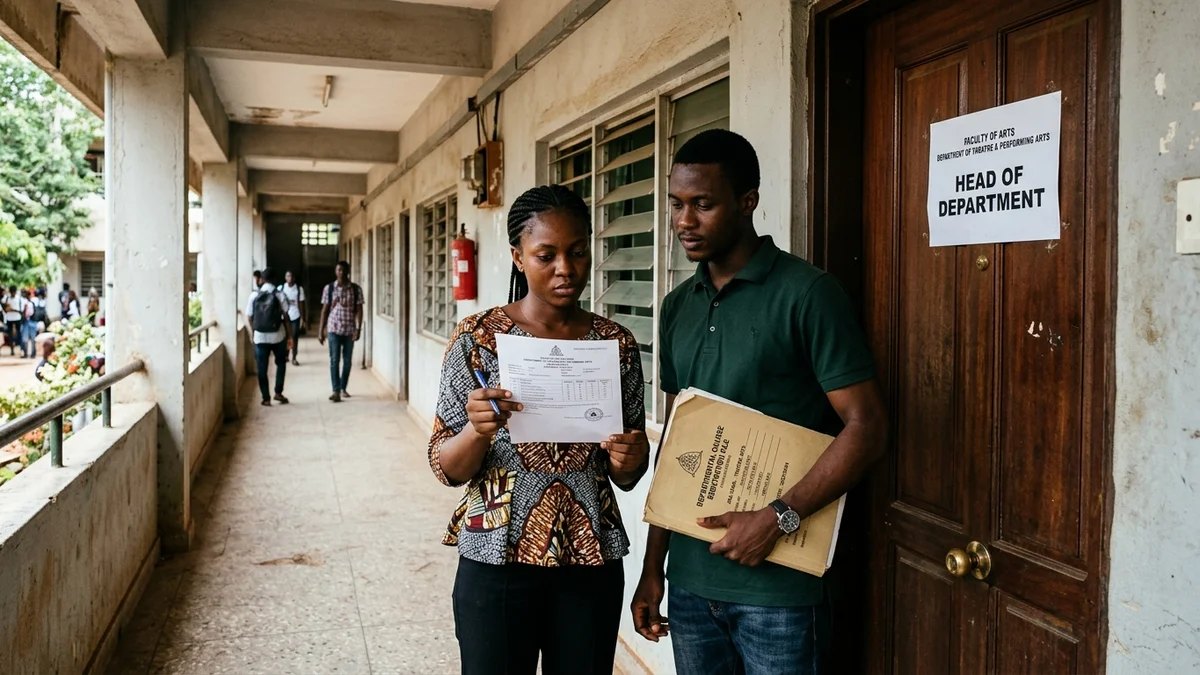
Gas Cylinder vs Electric Stove: Speed, Cost, & Safety
In Nigerian university life, your nutritional stamina directly fuels your academic cognition. Eating cold bread or relying on expensive, oily campus canteen food drains both your financial pocket money and your immune system.
However, preparing hot, balanced meals in tight student rooms requires navigating a fundamental equipment choice:
- Should you invest in a **Cooking Gas Cylinder (LPG)**?
- Or should you rely on an **Electric Hotplate / Boiling Ring**?
The decision is governed by three critical factors: university hall regulations, appliance safety in crowded quarters, and the reality of Nigeria's unstable electricity tariffs.
Here is the objective speed, cost, and safety comparison.
1. Speed and Practicality: When Campus Electricity Fails
The most significant limitation of electric hotplates is straightforward: NEPA / PHCN dependency.
- **The Electric Trap:** If campus electricity goes off at 6:30 AM while you are boiling beans or preparing morning yam before an 8:00 AM Continuous Assessment test, you are stranded without food. Furthermore, budget electric hotplates take 10 to 15 minutes just to reach boiling temperatures.
- **The Gas Advantage:** A gas cylinder delivers instantaneous heat at the flick of a lighter. You can boil water in 3 minutes and cook meals at any hour of the day or night, completely independent of the national grid.
For room organization tips in small quarters, consult our guide on hostel kitchen setup and cooking in tight spaces safely.
2. Financial Economics: Refill Costs vs Prepaid Meter Drain
With the introduction of Band A electricity tariffs in Nigeria, electric cooking in private off-campus lodges has become expensive:
Electric Hotplate (1,500W to 2,000W Single Burner)
- Running a 1500W electric hotplate for 2 hours daily consumes ~3.0 kWh per day.
- Over 30 days, that equals 90 kWh of electricity.
- At Band A rates (~₦209 per kWh), cooking electrically adds over **₦18,800 monthly** (₦170,000+ per session) to your compound electricity recharge. Landlords and flatmates frequently feud over tenants who cook heavily with electric stoves.
Liquefied Petroleum Gas (6kg Cylinder)
- A 6kg gas refill costs between ₦7,500 and ₦9,000 depending on location.
- With disciplined meal preparation and batch cooking, a 6kg cylinder comfortably lasts a solo student between **6 and 8 weeks**.
- Monthly cooking fuel expense: **~₦4,500 – ₦5,500**.
Cooking with LPG gas is three times cheaper than running a high-wattage electric hotplate on prepaid meters.
If your campus hall strictly bans cooking gas, master survival alternatives in cooking without gas: managing electric hotplate bans.
3. Safety and University Hall Regulations
While gas wins on speed and cost, safety rules cannot be ignored:
| Safety Factor | LPG Gas Cylinder | Electric Hotplate |
| :--- | :--- | :--- |
| University Hall Legality | Strictly banned in most federal halls | Permitted or tolerated in designated areas |
| Catastrophic Risk | Gas leaks, explosive room fires | Coil shorts, melted plastic cords, shock |
| Ventilation Needs | Mandatory open window / cross-breeze | Moderate heat ventilation |
| Confiscation Risk | High during hostel porter raids | Low to moderate |
The Golden Student Cooking Rule
- **If living in a university-managed hall:** Never smuggle a gas cylinder into crowded public halls. The confiscation risk is near 100%, and disciplinary action can forfeit your bed space. Rely on low-wattage hotplates or dining halls.
- **If living in an off-campus private lodge:** Invest in a certified 6kg gas cylinder placed safely near your kitchen window on an elevated ceramic tile stand.
To protect your fuel supply against theft in shared student compounds, read our guide on student gas refill management and tracking usage.
Frequently Asked Questions
Why are gas cylinders banned in many Nigerian federal university hostels?
Fire safety hazards. Overcrowded hostel rooms with faulty ventilation, combustible foam mattresses, and lack of functional fire extinguishers make LPG gas leaks catastrophic fire risks.
Is cooking with gas cheaper than using an electric hotplate in off-campus student lodges?
Yes. Where off-campus lodges use prepaid electricity meters (Band A tariffs), running a high-wattage 1500W electric hotplate drains prepaid meter units rapidly, making cooking gas significantly more economical per meal.
What is the safest cooking setup for tight student rooms?
A certified 3kg or 6kg gas cylinder fitted with a brand-new brass regulator and steel-reinforced gas hose, positioned on a fire-resistant ceramic tile base near an open window for cross-ventilation.
How can students avoid running out of cooking gas during exam week?
Weigh your cylinder with a portable luggage scale every Sunday, or maintain a small backup kerosene stove or low-wattage immersion boiling ring for emergency food preparation.
What Did You Like Most About This Guide?
Share your favorite takeaway, a study technique you tested, or ask a question.