
Eldest Child Syndrome: Sending Pocket Money Home
The emotional and financial strain on firstborn university students in Nigeria who must provide for younger siblings while studying on a meager allowance.

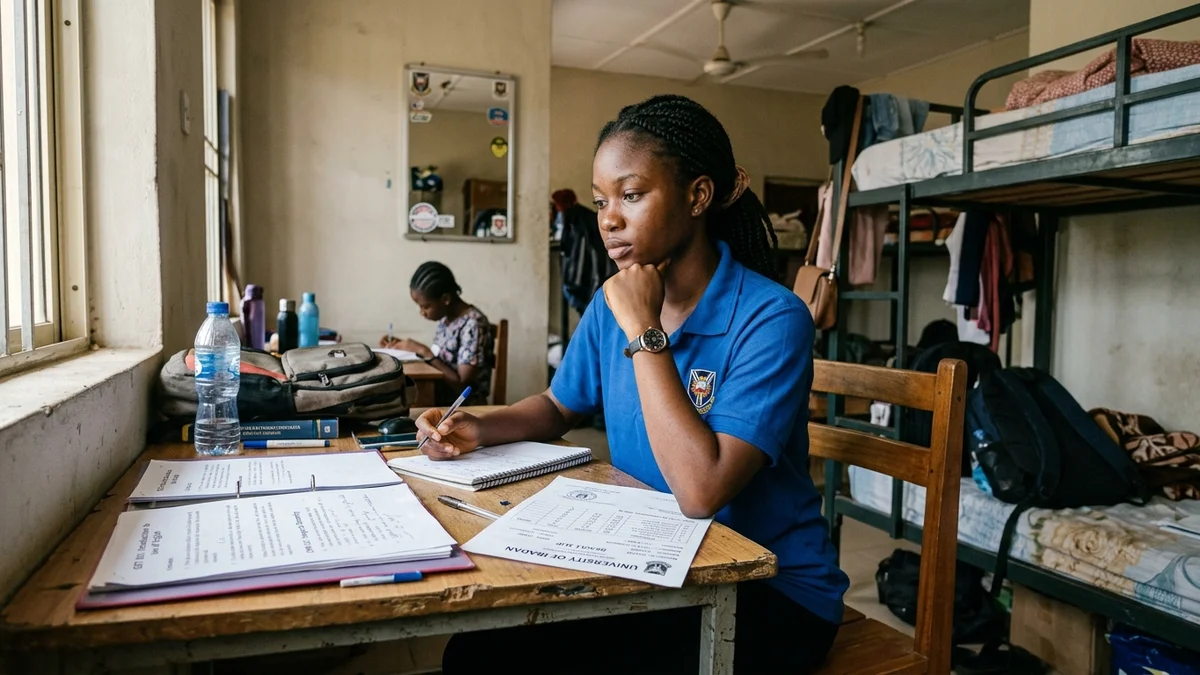
Eldest Child Syndrome: Sending Pocket Money Home
In Nigeria, being the firstborn child is not merely a birth order. It is an unpaid executive job description.
You are 21 years old, sitting in your 300-level university hostel.
Your monthly allowance from home—if your parents can afford to send any at all—is barely enough to cover garri, transportation to campus, and photocopies of departmental lecture handouts.
Yet, your phone rings constantly:
- Your mother calls: *"Your younger sister was sent home from primary school today because of ₦4,500 lesson fees. See if you can hustle small money from your friends and send it."*
- Your younger brother texts you asking for shoes for his secondary school debate competition.
- Your father reminds you during every phone conversation: *"You are the head of this family after me. You need to hurry up, finish this university with a good result, and start carrying your siblings."*
Instead of focusing your mental energy on fluid mechanics, constitutional law, or organic chemistry, you spend half your waking hours scheming how to raise ₦5,000 to send home.
You are acting as a secondary parent before you have even secured your own financial footing.
This is the psychological toll of Eldest Child Syndrome in the Nigerian socio-economic landscape. Here is how to navigate this generational burden without sacrificing your academic future.
1. The Parentification of the Nigerian Firstborn
In developmental psychology, this phenomenon is called Parentification: the inversion of roles where a child or young adult takes on physical, financial, or emotional responsibilities that belong to parents.
In Nigerian cultural contexts, parentification is deeply reinforced:
- Cultural norms assign firstborns the duty of being the family's financial saviors.
- Economic inflation and poverty force parents to lean on older children for household subsidies.
- The eldest child internalizes a chronic **Savior Complex**, believing that any misfortune that befalls their younger siblings is their personal fault.
The cost to your intellect is severe: chronic sleep deprivation, anxiety during revision, and persistent guilt whenever you spend money on your own basic survival.
Analyze the emotional impact of family financial distress in family poverty pressure study anxiety: managing survival stress.
2. The Golden Goose Analogy: Protecting Your Productive Capacity
When family demands threaten to drain your last naira during exam preparation, remember Aesop's fable of the Golden Goose:
If the farmer starves the goose to extract eggs faster, the goose dies, and all future golden eggs are lost forever.
In this dynamic, you are the golden goose:
- Your degree, your GPA, your mental health, and your career prospects are the source of your family's future economic liberation.
- If you starve yourself on campus, develop bleeding stomach ulcers, fail your carryovers, or drop out due to emotional exhaustion, everyone loses.
- Sacrificing your current academic baseline for small ₦3,000 emergency bailouts is short-sighted economic suicide.
Review how parental expectations trigger study failure in handling parental expectations and academic pressure in Nigeria.
3. Communication Scripts for Compassionate Boundaries
Saying "no" to your parents or siblings feels like a moral betrayal. The solution is not cold detachment, but Empathetic Boundary Setting:
Script A: When Parents Request Sibling School Support
*"Mum, I understand how difficult things are at home right now, and it breaks my heart that Chinedu is home from school. However, right now in school, my total balance is ₦1,800 to feed through my final exam week. I have no extra money to send without collapsing in the exam hall. Let me finish these examinations with full focus so my results remain intact."*
Script B: When Siblings Ask for Pocket Money
*"Junior, I love you, but I am currently a student living on bare rations on campus. I don't have personal income yet. Let me push through this session, and once I finish my degree and start working, I will support you properly. For now, we both have to manage."*
Learn more about managing the broader social expectations placed on students in our upcoming pillar guide on student black tax and managing extended family demands.
4. Strategic Rules for the Eldest Child Scholar
If you must earn money to support yourself and ease family tension, follow these strict rules:
- **Protect the 3-Hour Golden Study Window:** Never take on manual or freelance jobs that consume your peak cognitive hours. Designate 8:00 AM to 12:00 PM strictly for lectures and high-priority coursework.
- **Prioritize Skill Leverage Over Low-Pay Chores:** Avoid spending six hours baking meat pies on campus for ₦1,500 profit. Invest time in learning high-income digital skills (copywriting, video editing, UI design, coding) that allow you to charge in foreign currency or higher naira retainers in your spare time.
- **Graduate with Honor:** The best gift you will ever give your younger siblings is the living proof that a child from your humble background can triumph in higher academia and break the cycle of poverty with dignity.
Frequently Asked Questions
What is 'Eldest Child Syndrome' among Nigerian university undergraduates?
The intense psychological burden placed on firstborn sons and daughters who are treated as co-parents, expected to solve family crises, send money to younger siblings, and graduate at top speed to lift the family economically.
How can an eldest child student say 'no' to parents requesting financial help without feeling disrespectful?
Use empathetic boundary phrasing: validate their financial difficulty, state your exact student cash reality without deceit, and emphasize that completing your exams is the fastest path to permanent financial relief for the family.
Does sending personal feeding money home impact academic performance?
Directly. Nutritional deprivation and constant panic over whether siblings will be sent home from school impairs the brain's prefrontal cortex, leading to severe test anxiety, poor memory retention, and low CGPAs.
How can firstborn undergraduates balance academic study with earning money for family?
Prioritize high-leverage asynchronous remote freelancing (copywriting, design, tech support) that can be executed in 10-15 hours weekly, rather than physically exhausting on-campus labor that consumes daytime lecture hours.
What Did You Like Most About This Guide?
Share your favorite takeaway, a study technique you tested, or ask a question.