
Reporting Lecturer Harassment vs Quiet Self-Protection
How to navigate predatory lecturers, sexual harassment, academic victimization, and grade extortion safely in Nigerian tertiary institutions.

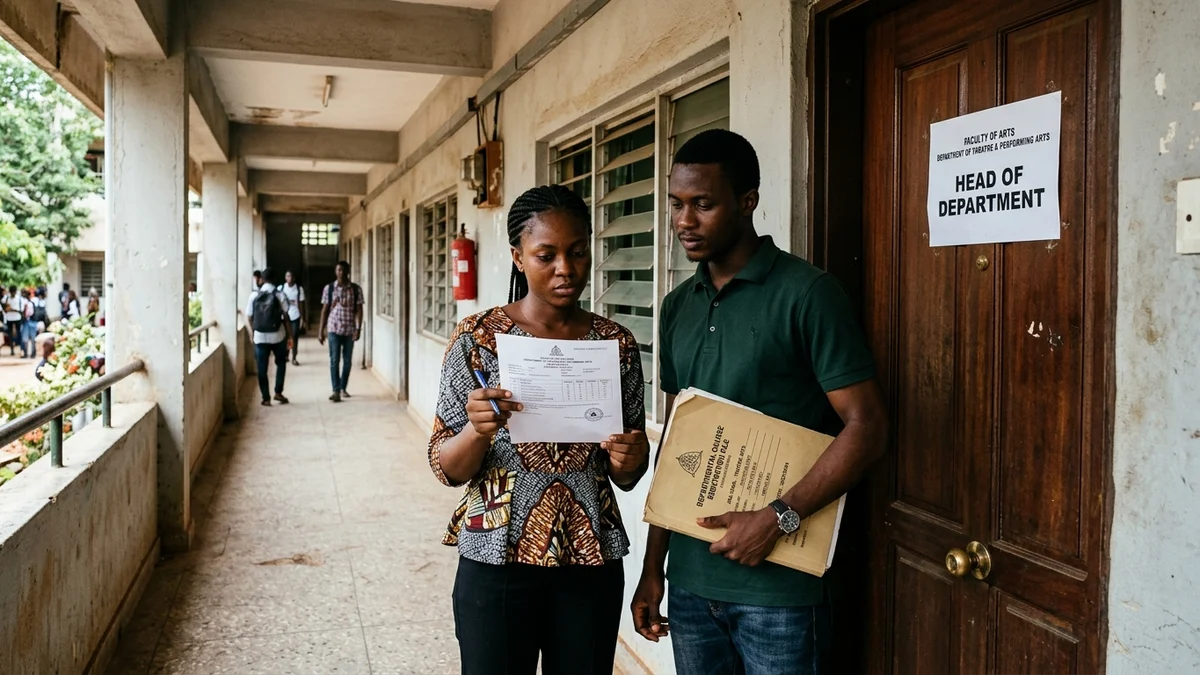
Reporting Lecturer Harassment vs Quiet Self-Protection
It is 4:30 PM on a Friday.
You stand outside an associate professor's office on the third floor of the faculty building.
Your semester test script was marked down to 04/30. You know you wrote the answers correctly; in fact, your classmate with identical answers scored 26/30.
When you knocked on the door to inquire, the lecturer leaned back in his leather chair, smiled uncomfortably, and said: "My office is too crowded. Why don't you come to my hotel room on Saturday evening so we can review your script together over drinks? If you are nice to me, I can turn that 4 into an A."
Your stomach turns to ice.
Every year, thousands of Nigerian undergraduates—especially female students—face this terrifying dilemma:
Option 1: Official Reporting: File a formal petition to the Head of Department (HOD) or Dean of Student Affairs, risking institutional cover-ups, victim-blaming, and malicious grade retaliation that could keep you in school for an extra three years.
Option 2: Quiet Self-Protection: Avoid direct confrontation, adopt defensive strategies, preserve your personal safety, and fight to get out of the department in one piece.
Here is the objective risk assessment and strategic playbook for navigating lecturer harassment.
1. The Institutional Power Reality on Campus
Before taking action, you must understand the sociology of the Nigerian academic department:
| Academic Actor | Institutional Position & Power | Typical Reaction to Student Complaints |
|---|---|---|
| Tenured Senior Lecturer / Professor | Decades of institutional seniority, union (ASUU/CONUA) protection, personal alliances | Leverages peer relationships to dismiss student allegations as insubordination |
| Departmental HOD & Faculty Dean | Colleagues on faculty boards, joint research co-authors | Default instinct is institutional reputation protection; high threshold of skepticism |
| Vulnerable Undergrad / Whistleblower | Temporary student status, highly dependent on internal grading approvals | High vulnerability to retaliation unless evidence is airtight and escalated through external statutory oversight |
When an undergraduate reports a senior lecturer:
- Departmental staff often close ranks to protect their colleague and faculty reputation.
- The accused lecturer may retain control over your upcoming exam scripts or final-year project clearance.
- Without indisputable digital evidence, petitions are frequently shelved until the student's expected graduation passes.
Learn about lecturer intimidation dynamics in lecturer intimidation and the psychological toll on campus.
2. The Strategic Evaluation Matrix: When to Report vs. When to Defend
| Situation | Recommended Path | Primary Tactical Action |
|---|---|---|
| Verbal innuendo; no physical threat | Quiet Self-Protection | Never enter office alone; travel in groups of 3; sit out of eye line |
| Systemic grade extortion / Cash for marks | Collective Class Petition | Pool complaints across 20+ students to SUG / Anti-Corruption Desk |
| Physical stalking or sexual assault threat | Escalated Official Reporting | File simultaneous external reports: Police Gender Desk + University Anti-GBV Unit |
| Deliberate exam script failure | Senate Script Remarking | Pay official fee for Senate external script remarking |
Understand student grading rights in unfair lecturer grading: what you can actually do.
3. The Protocol of "Quiet Self-Protection"
If an official report is deemed too dangerous for your immediate graduation timeline, execute these protective shields:
- **The Rule of Three:** Never enter the lecturer's office alone under any circumstance. Always bring two coursemates (preferably including a course rep). If the lecturer says, *"Tell your friends to wait outside,"* leave the door wide open and stand within three feet of the threshold.
- **The Digital Paper Trail:** Back up every communication. Never delete WhatsApp messages or voice notes. Save screenshots to Google Drive and email them to an external, secure email address.
- **Formal Institutional Remonstration:** If they refuse to submit your Continuous Assessment score, write a formal, polite memo copying your Departmental Staff Adviser: *"Inquiry regarding missing CA score for Course Code."*
Learn how to maintain personal boundaries on campus in campus bullying and exploitation: setting hard boundaries.
4. When You Decide to Blow the Whistle
If you choose to file an official report, do not do it alone or unprepared:
- Enlist the support of external civil society organizations, the National Association of Nigerian Students (NANS) Gender Desk, or verified campus human rights attorneys.
- External public visibility prevents departmental administrative committees from sweeping evidence under the rug.
- Your dignity, safety, and bodily integrity are sacred. You did not enter university to be coerced, humiliated, or victimized.
Frequently Asked Questions
What happens when a student reports a lecturer for victimization in a Nigerian university?
Without ironclad digital or physical evidence, internal faculty investigations often drag out, exposing the whistleblowing student to institutional retaliation from departmental colleagues of the accused lecturer.
How can a student document predatory advances or grade extortion safely?
Preserve unedited WhatsApp voice notes, text messages, call logs, and eyewitness dates. Never confront the lecturer alone; always communicate in public corridors or via formal institutional email addresses.
What is 'Quiet Self-Protection' when dealing with a toxic lecturer?
Minimizing direct contact, never visiting their private office without two coursemates, sitting inconspicuously in lectures, having exam scripts remarked via external Senate petitions, and completing the course without open war.
Can a student request an external remarker if a lecturer deliberately fails them?
Yes. University Senate regulations permit students to apply for official script remarking by paying a stipulated fee to the Senate Examination Committee, which assigns an independent external examiner from another faculty.
What Did You Like Most About This Guide?
Share your favorite takeaway, a study technique you tested, or ask a question.